Tesla Targets Consumer Launch for Optimus Humanoid Robots in 2026
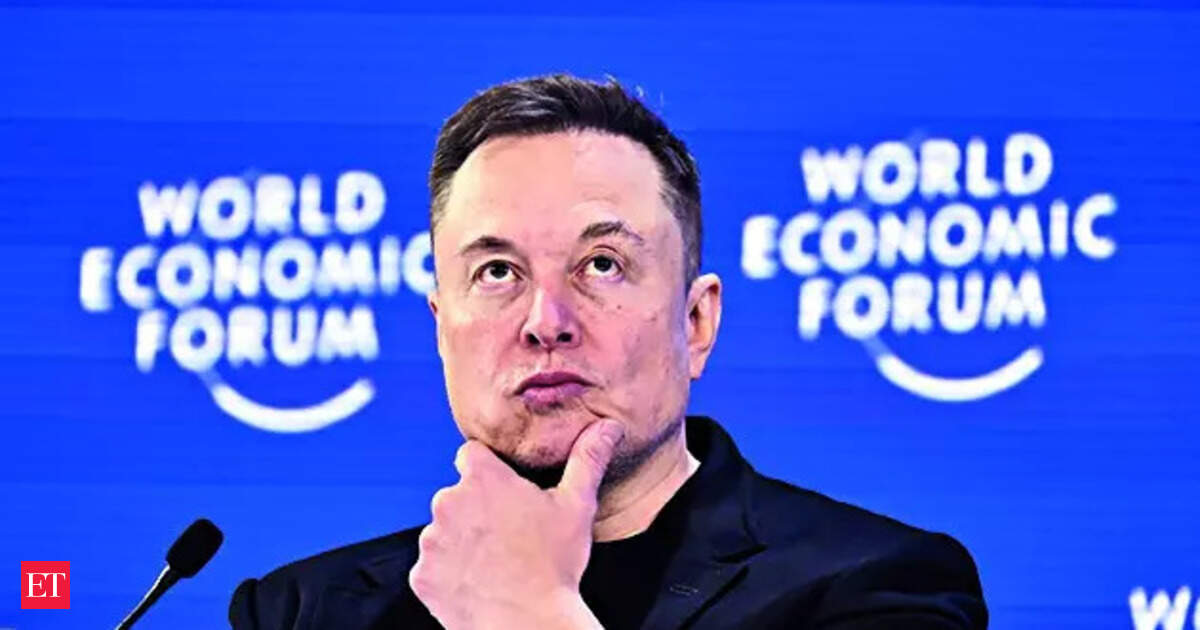
Tesla has outlined plans to begin selling its Optimus humanoid robots to consumers by the end of 2026, according to comments made by chief executive Elon Musk at the World Economic Forum in Davos. The statement places humanoid robotics as a central pillar of Tesla’s longer term strategy, alongside its automotive and energy businesses.
2026 Humanoid Robot Market Report
160 pages of exclusive insight from global robotics experts – uncover funding trends, technology challenges, leading manufacturers, supply chain shifts, and surveys and forecasts on future humanoid applications.

Featuring insights from
Aaron Saunders, Former CTO of
Boston Dynamics,
now Google DeepMind
2026 Humanoid Robot Market Report
160 pages of exclusive insight from global robotics experts – uncover funding trends, technology challenges, leading manufacturers, supply chain shifts, and surveys and forecasts on future humanoid applications.
The Optimus robot, first unveiled in prototype form in 2022, is designed as a general purpose bipedal system intended to operate in human environments. Tesla has previously demonstrated Optimus performing basic manipulation tasks, object sorting, and simple locomotion in controlled settings. The company has also shown limited factory trials, where the robot assists with internal material handling tasks.
From internal use to consumer availability
Musk indicated that Optimus would transition from internal deployments and pilot use toward direct consumer sales. This implies progress in several technical areas that remain critical for humanoid robots, including reliable bipedal walking, safe human robot interaction, and robust manipulation across a wide range of objects.
While Tesla has not released detailed specifications or pricing, earlier disclosures suggest Optimus is designed to be roughly human sized, electrically actuated, and heavily dependent on neural network based perception and control. The company has stated that production at scale is essential to reaching a price point suitable for non industrial buyers.
Manufacturing and regulatory context
The announcement comes as Tesla continues to invest in in house AI training infrastructure and robotics manufacturing processes. For humanoid robots, scaling production remains a major challenge due to actuator costs, supply chain constraints, and the need for extensive validation of safety systems.
Although Musk also discussed regulatory progress for Tesla’s automotive software in Europe and China, no comparable regulatory framework currently exists for consumer humanoid robots. Industry observers expect safety certification, liability considerations, and workplace standards to shape how and where humanoid robots are first adopted.
Implications for the humanoid robotics sector
If Tesla meets its stated timeline, Optimus would be among the first humanoid robots positioned for broad consumer availability rather than limited enterprise pilots. This would place Tesla alongside a small group of companies attempting to move humanoid systems beyond research labs and into everyday environments.
Further details on capabilities, production volumes, and supported use cases are expected as Tesla moves closer to launch. The original report was published by The Economic Times.